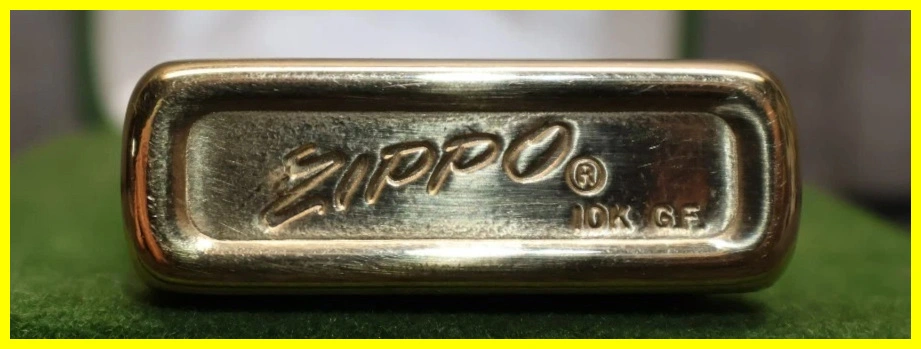
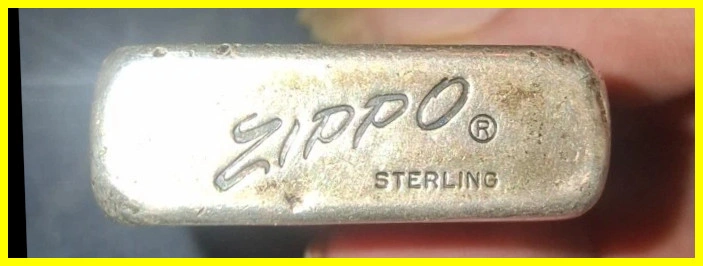
Historical Zippo references associated with 1970: 8 consolidated case/bottom stamp entries, 2 consolidated insert entries, and 11 individual photographic source records. Date codes, materials and insert construction should be assessed together, especially for transitional years.
8 consolidated case references2 consolidated insert references11 documented photo records
Historical context and cautions
Historical dating note
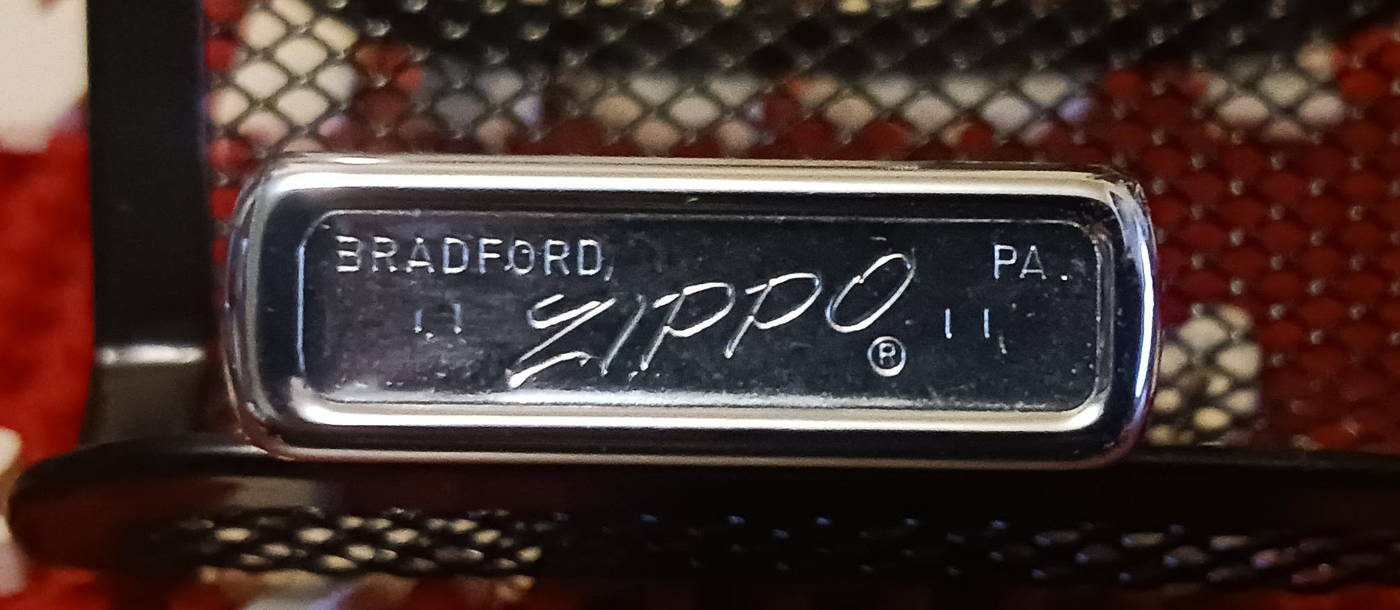
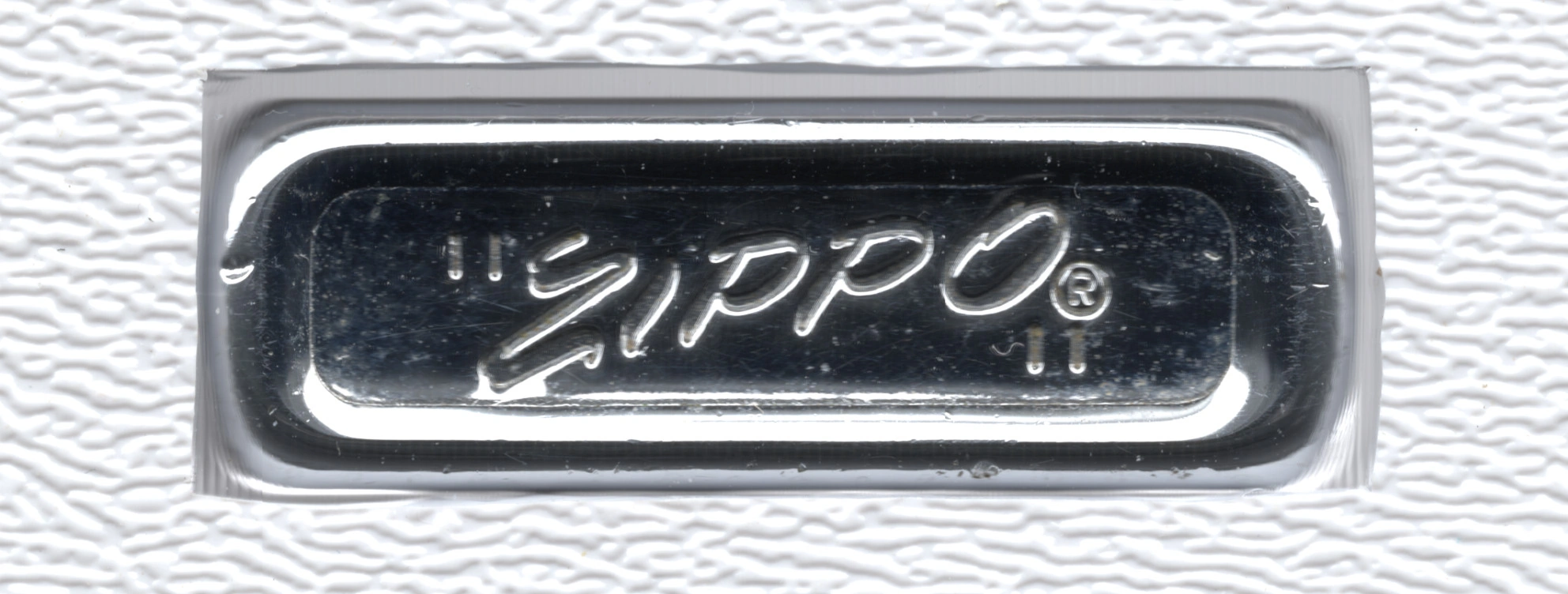
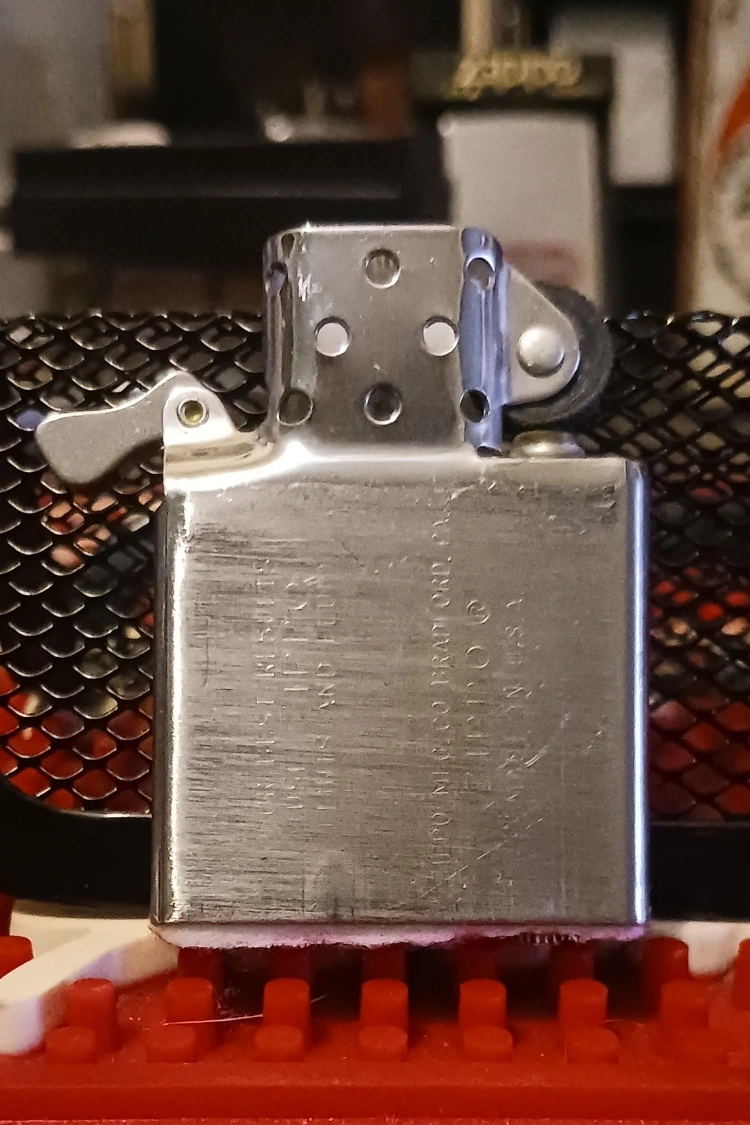
Terry Lyons photographic reference: Bradford regular case attributed to 1970, with documented 2 left / 2 right vertical bars date marks. Original bottom-stamp and insert front/back/chimney photographs available. The insert may have been replaced; check the complete evidence before identifying an exact production date.
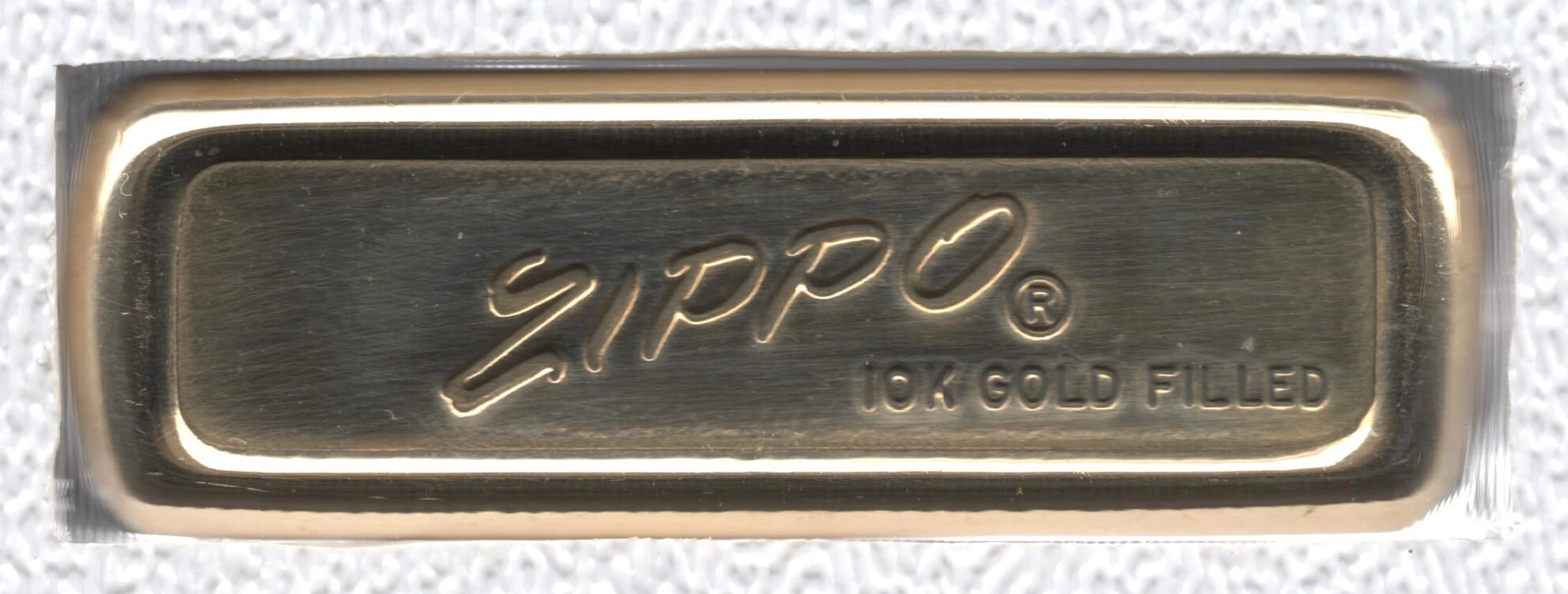
Slim manufacturing note
Moonlight notes the marketing of the Zodiac Series.
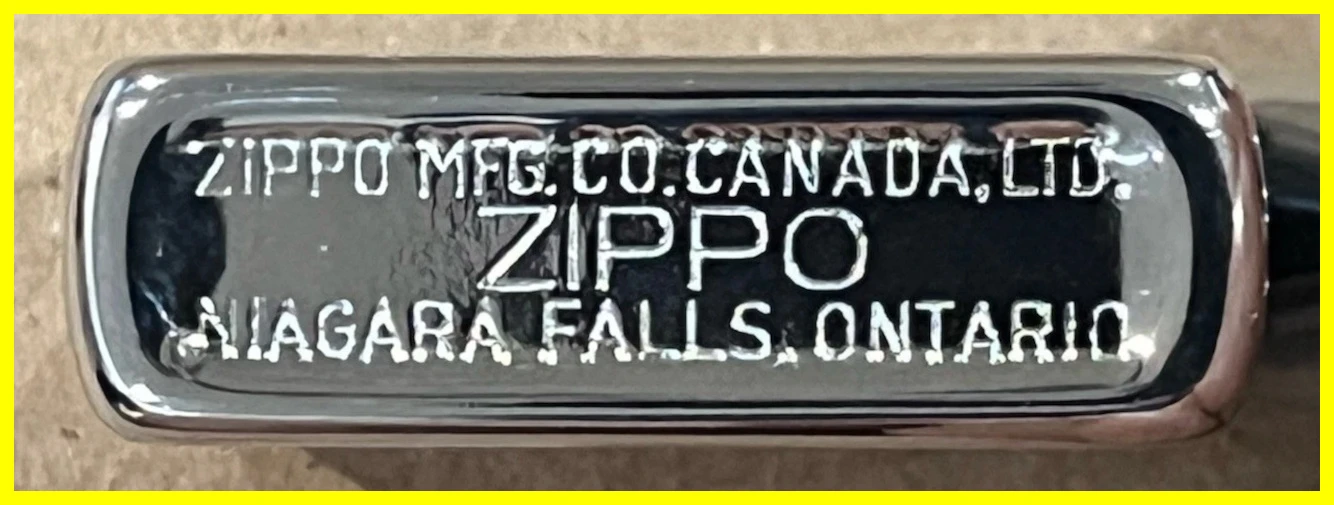
Canadian production note
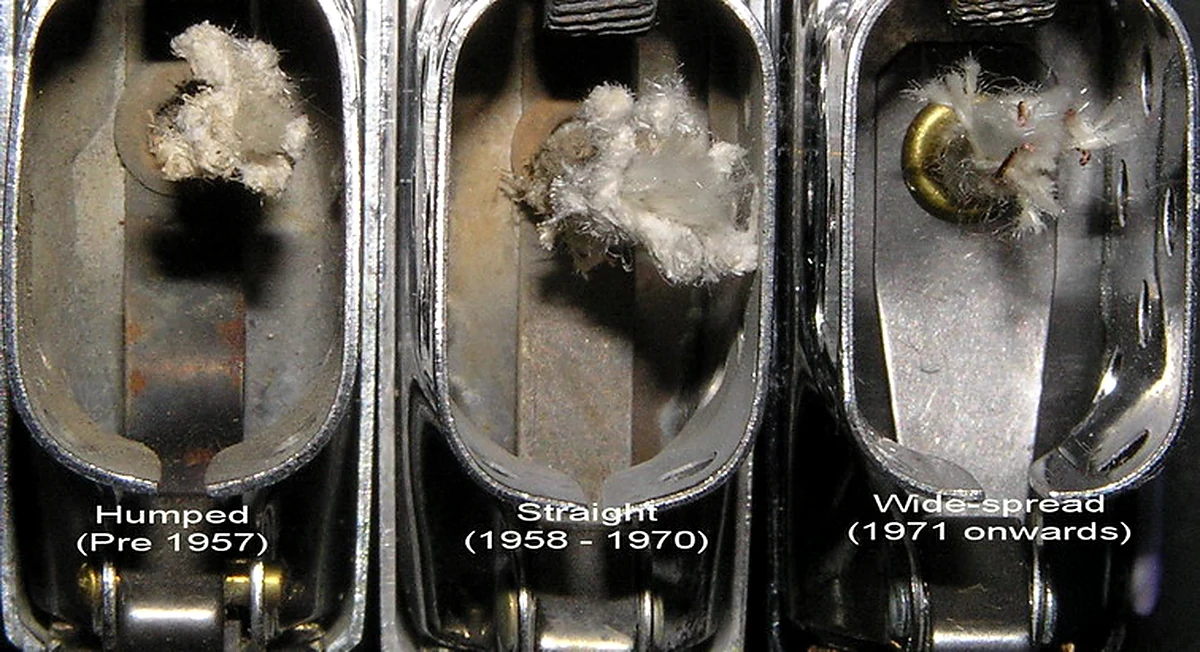
The widespread cam spring begins appearing around 1970; narrow springs are still documented into 1971.
Typical US regular-production chronology from independent collector research by Hardi Döhler. The ranges overlap, and Canada, Slim, Replica, Sterling, Japan-market and special editions may differ. These are supporting observations, not a definitive date determination.
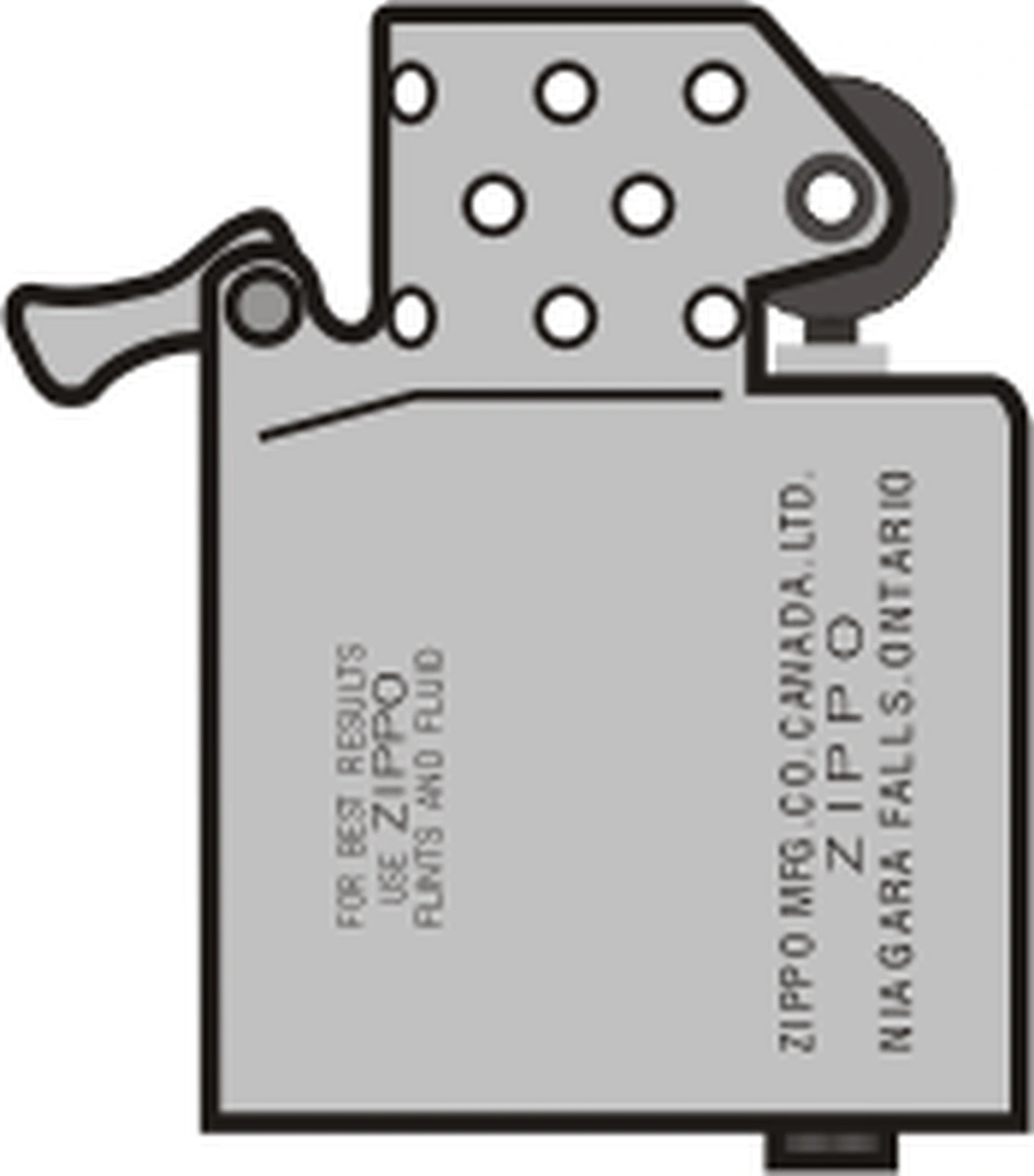
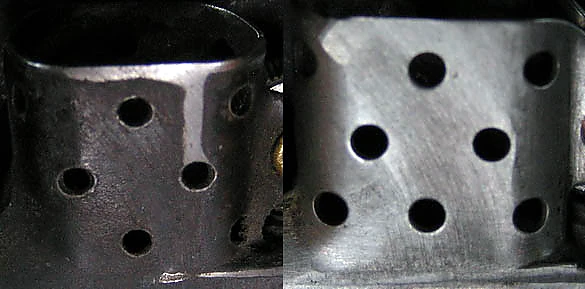
16-hole chimney — Introduced during 1946; not useful as a precise clue on later inserts. Known period: 1946–9999. Dating evidence: Secondary dating clue (Construction or material information that may narrow a period. Repairs, replacement parts and production overlaps can change the interpretation.). Sources: Glen's Zippo Page.16-hole chimney · Historical reference illustration · Source: Glen's Zippo Page
Narrow cam spring — Used to around 1970; narrow springs have been found in 1971 lighters. Known period: 1957–1971. Dating evidence: Supporting comparison (A useful illustrated or photographed comparison. The feature alone does not establish a unique production date.). Sources: Glen's Zippo Page.Narrow cam spring · Historical reference illustration · Source: Glen's Zippo Page
Wide cam spring — Introduced around 1970 with overlap. Known period: 1970–1988. Dating evidence: Supporting comparison (A useful illustrated or photographed comparison. The feature alone does not establish a unique production date.). Sources: Glen's Zippo Page.Wide cam spring · Historical reference illustration · Source: Glen's Zippo Page
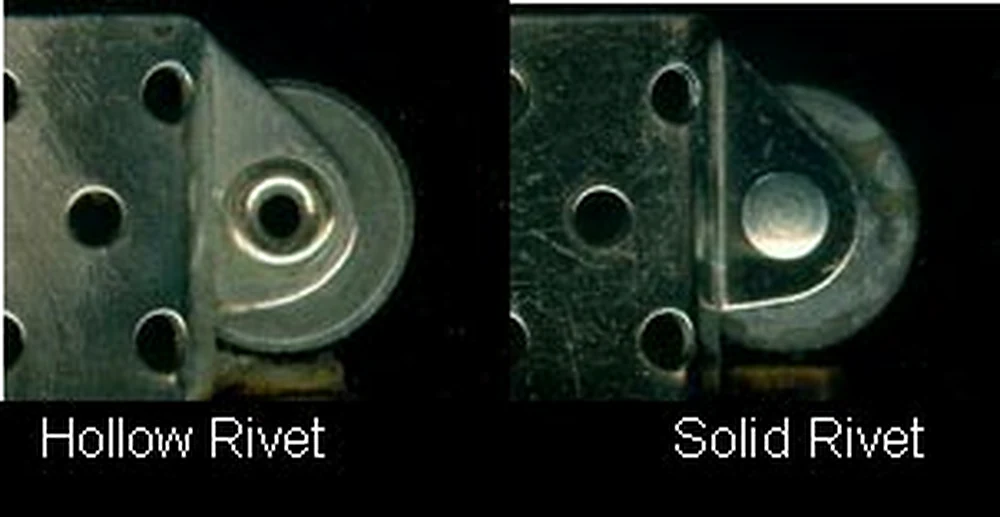
Solid flint-wheel rivet — Introduced around 1961; overlaps hollow rivets for several years. Known period: 1961–9999. Dating evidence: Supporting comparison (A useful illustrated or photographed comparison. The feature alone does not establish a unique production date.). Sources: Glen's Zippo Page.Solid flint-wheel rivet · Historical reference illustration · Source: Glen's Zippo Page
Interpretation: References may cover multiple years. A documented insert date is not proof of its case production date, and special Replica stamps require separate interpretation.