Home / Date Your Zippo / Historical archive / Historical Zippo construction: cases, hinges, inserts and materials Historical and technical guide
Historical Zippo construction: cases, hinges, inserts and materials Independent historical research by Hardi Döhler on regular US Zippo construction, technical transitions, and evidence limits.
All illustrated examples and dated claims link back to their original documented references and named sources. Transitional dates are approximate unless explicitly supported.
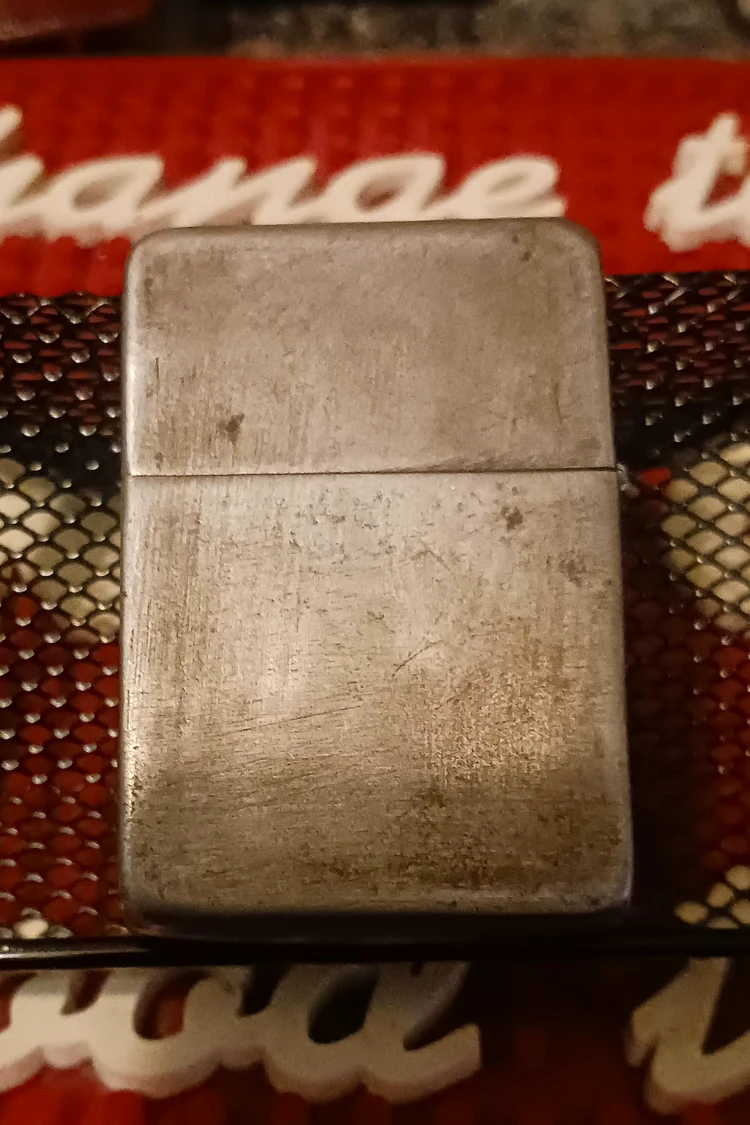
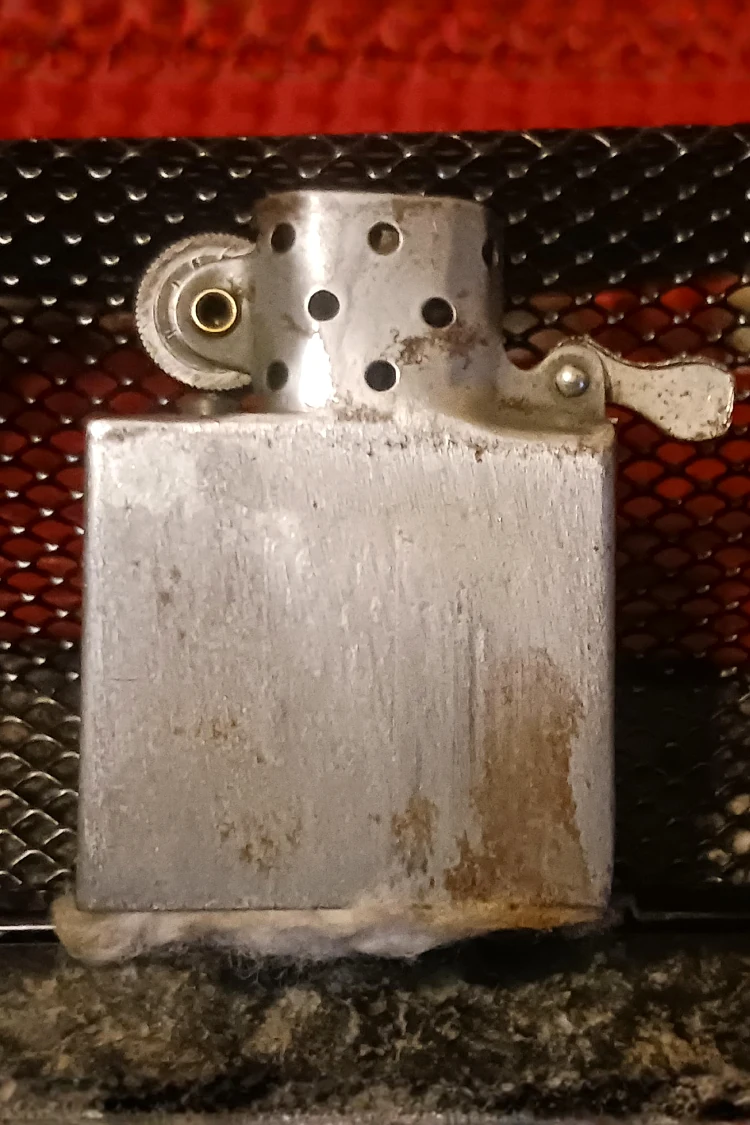
Recorded historical details Terry Lyons photo reference: the photographed case and insert are plain (unplated) nickel silver. Chrome-plated nickel-silver case finishes also appear in late 1946, so the material/finish alone is not an exact-year code.
Terry Lyons photo reference: chrome-plated nickel-silver case with nickel-silver insert. The photographed insert has a MODERN replacement cam spring as documented by Terry Lyons; never use this spring as evidence of a 1947 factory construction.
Terry Lyons photo reference: chrome-plated brass case and nickel-silver insert. A three-barrel hinge is documented here but the hinge transition is not a strict 1 January production cutoff.
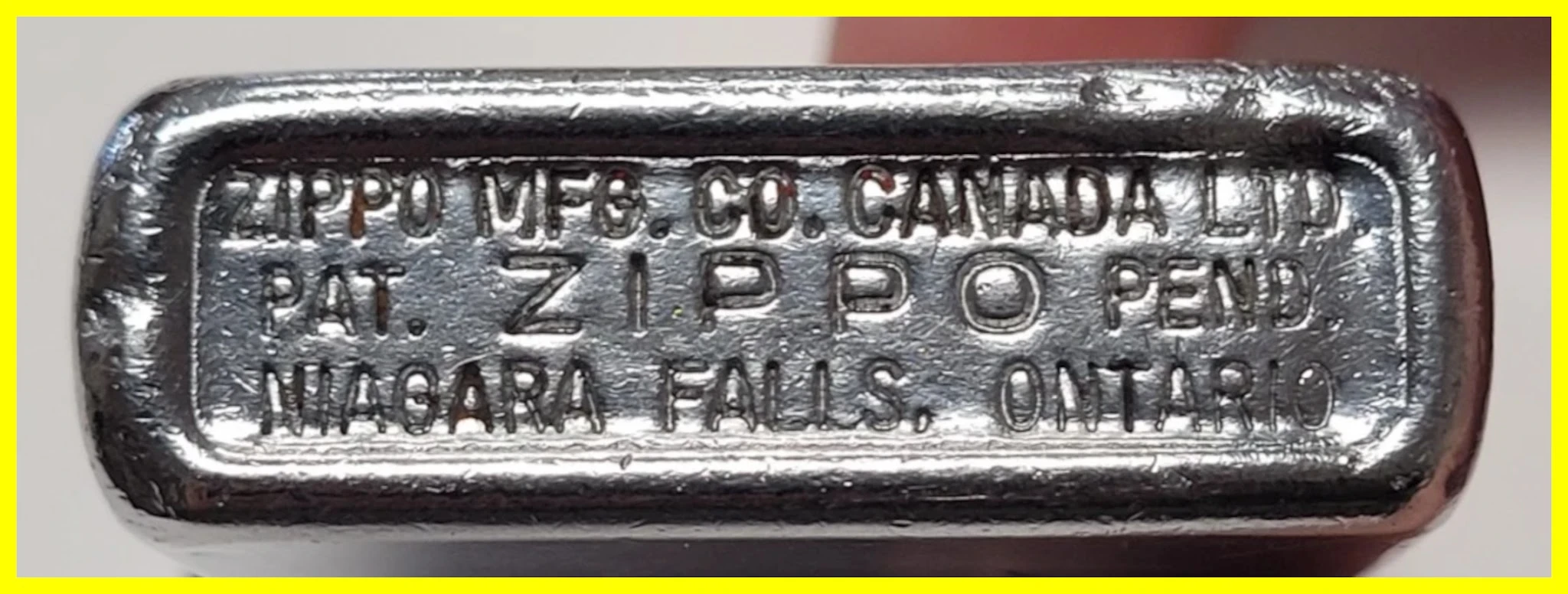
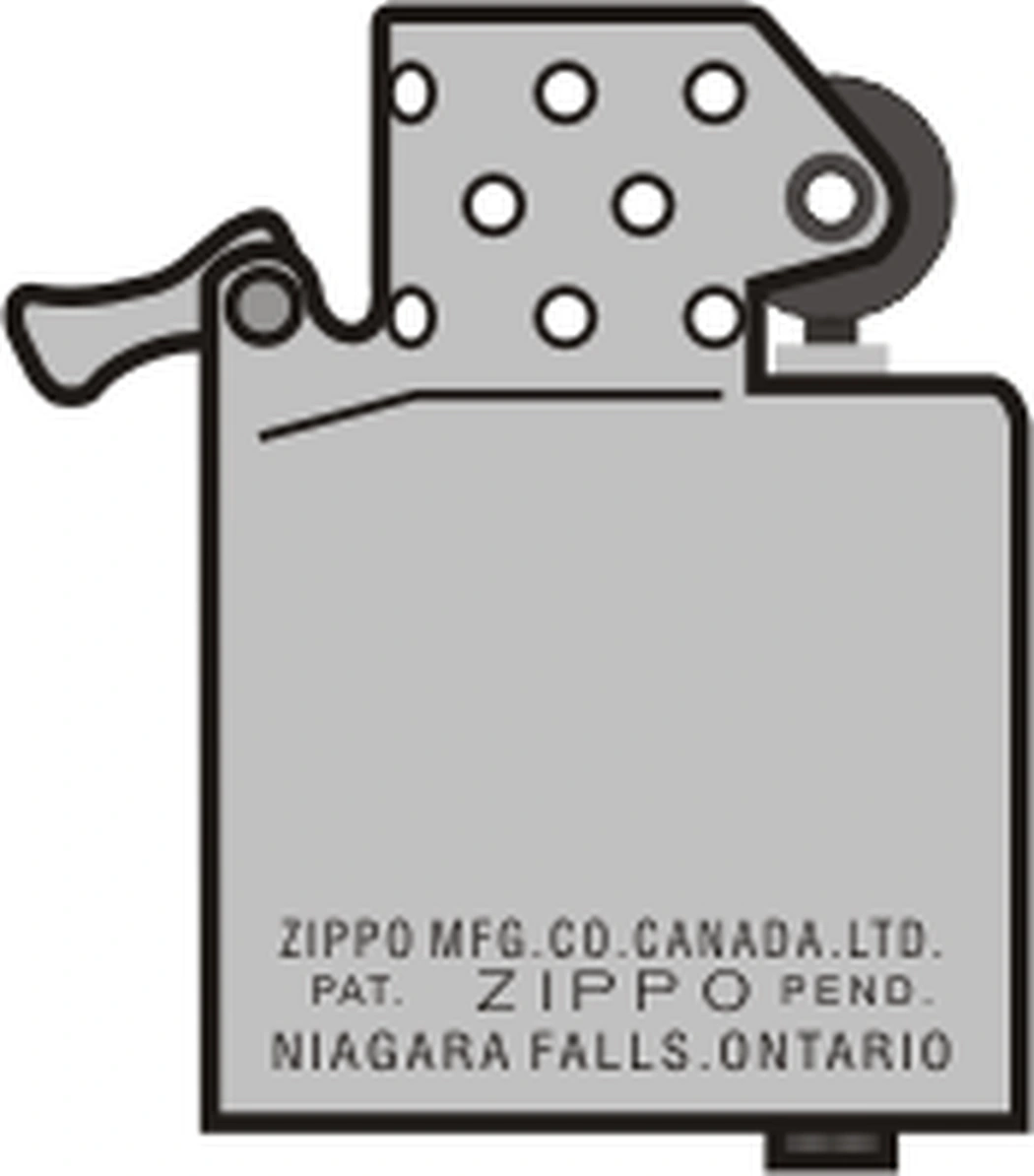
Niagara Falls production began on 19 August 1949. Early Canadian cases and inserts use PAT. PEND. wording.
A real 1953 Bradford example supplied by Terry Lyons documents a steel case with steel insert. This is specimen-specific photographic evidence.
A real 1958 Bradford example supplied by Terry Lyons documents a brass case with steel insert. The supplied insert reference shows the narrow flat cam spring rather than the earlier humped cam-spring form.
The insert still uses the horizontal logo, with “Flints and Fluid” added above the patent-number text. Moonlight also notes that Slim production begins in Niagara Falls, Ontario; those Canadian Slims are identified by the insert.
Around 1957/58 the humped cam spring begins to give way to the narrow straight cam spring. Component overlap is expected.
Terry Lyons photographic reference: a Bradford regular-size case shows the 1963 dots pattern (2 left, 1 right), with associated insert front/back and chimney-top photographs. The insert may have been replaced; determine case and insert dates separately.
Around 1963 Canadian insert imprint orientation changes from upright/horizontal to sideways/vertical. Hollow and solid rivets can overlap around the transition.
Early examples retain PAT.2517191; later examples omit it.
Terry Lyons photographic reference: a Bradford regular-size case shows the 1967 vertical bars pattern (4 left, 3 right), with associated insert front/back and chimney-top photographs. The insert may have been replaced; determine case and insert dates separately.
Terry Lyons photographs a red felt pad on his 1967 insert. This is specimen-specific evidence; felt pads are removable and red felt does not by itself date an insert.
From August 1967 the patent number is omitted. A canned bottom appears from late 1967, with two canned-bottom versions documented.
In 1967 “Patented 1950” is removed from both Canadian case and insert. Canadian patent CA 469785, issued 28 November 1950, reached the end of its 17-year term in November 1967.
Terry Lyons photographic reference: Bradford regular case attributed to 1971, with documented 2 left / 1 right vertical bars date marks. Original bottom-stamp and insert front/back/chimney photographs available. The insert may have been replaced; check the complete evidence before identifying an exact production date.
Narrow and widespread cam springs can overlap around this transition.
Historical manufacturing feature chronology This original English-language summary is based on historical notes personally contributed by Hardi Döhler. It is independent collector research, not factory-approved documentation. The periods describe typical US regular production; overlap, repairs, swapped inserts and regional or special editions can differ. No illustrated bottom stamps or reproduced original charts appear here.
Research source: Hardi Döhler — reference and provenance
Case shapes Early tubular brass case 1933 · approximate · Source: Hardi Döhler Early cases were built from brass tube stock, with separate end plates joined in place.
Typical Bradford-made regular lighter; exceptions and overlapping production runs exist.
Square-corner case 1934–1940 · approximate · Source: Hardi Döhler The taller square-corner case is typical of much of the early production period; subsequent body shapes overlap.
Typical Bradford-made regular lighter; exceptions and overlapping production runs exist.
Rounded drawn case 1938–1942 · approximate · Source: Hardi Döhler A drawn body with rounded corners emerged before the wartime period, alongside earlier case forms.
Typical Bradford-made regular lighter; exceptions and overlapping production runs exist.
Rounded wartime base 1943–1946 · approximate · Source: Hardi Döhler Some wartime and immediate postwar cases feature an outwardly curved base; compare the complete case profile.
Typical Bradford-made regular lighter; exceptions and overlapping production runs exist.
1946 tall case and canned bottom 1946 · transitional · Source: Hardi Döhler A taller case form with a recessed (canned) base is documented during the immediate postwar period.
Typical Bradford-made regular lighter; exceptions and overlapping production runs exist.
Postwar recessed-bottom profile 1947–2026 · broad · Source: Hardi Döhler The familiar recessed-bottom case profile develops in the postwar years; this alone cannot distinguish later decades.
Present-day cases, replicas and special lines can depart from the usual form.
Case metals and finishes Chrome-plated brass case 1933–1941 · approximate · Source: Hardi Döhler Chrome-plated brass was a principal prewar case construction; the changeover into steel was gradual.
Typical Bradford-made regular lighter; exceptions and overlapping production runs exist.
Chrome-plated steel case 1941–1942 · transitional · Source: Hardi Döhler Steel cases appear during the 1941–1942 material transition before wartime black-crackle finishes became common.
Typical Bradford-made regular lighter; exceptions and overlapping production runs exist.
Steel case with Black Crackle finish 1942–1945 · approximate · Source: Hardi Döhler Wartime steel bodies are strongly associated with black-crackle coating; some transitional or repaired examples differ.
Typical Bradford-made regular lighter; exceptions and overlapping production runs exist.
Polished nickel-silver case 1946 · transitional · Source: Hardi Döhler Unplated/polished nickel-silver cases are documented in the immediate postwar period, especially early 1946 examples.
Typical Bradford-made regular lighter; exceptions and overlapping production runs exist.
Chrome-plated nickel-silver case 1946–1947 · transitional · Source: Hardi Döhler Chrome-plated nickel-silver cases appear by late 1946 and continue through 1947; the crossover is not a strict January boundary.
Typical Bradford-made regular lighter; exceptions and overlapping production runs exist.
Return to chrome-plated brass 1948–1951 · approximate · Source: Hardi Döhler Chrome-plated brass bodies are documented across the late 1940s and into the early 1950s.
Typical Bradford-made regular lighter; exceptions and overlapping production runs exist.
Chrome-plated steel postwar cases 1951–1954 · transitional · Source: Hardi Döhler Chrome-plated steel bodies are documented again during the early-1950s Korean War period.
Typical Bradford-made regular lighter; exceptions and overlapping production runs exist.
Brass as common regular-case substrate 1954–2026 · broad · Source: Hardi Döhler Chrome-plated brass becomes typical again in the mid-1950s; special materials and later editions are exceptions.
Typical Bradford-made regular lighter; exceptions and overlapping production runs exist.
Hinge development External three-barrel hinge 1933–1935 · approximate · Source: Hardi Döhler Early cases commonly feature a three-knuckle hinge attached to the outside of the case.
Typical Bradford-made regular lighter; exceptions and overlapping production runs exist.
External four-barrel hinge 1936 · transitional · Source: Hardi Döhler An external four-barrel hinge is an early transitional form.
Typical Bradford-made regular lighter; exceptions and overlapping production runs exist.
Internal four-barrel hinge 1936–1942 · transitional · Source: Hardi Döhler Four-barrel hinges mounted internally are typical of the later prewar and early wartime period.
Typical Bradford-made regular lighter; exceptions and overlapping production runs exist.
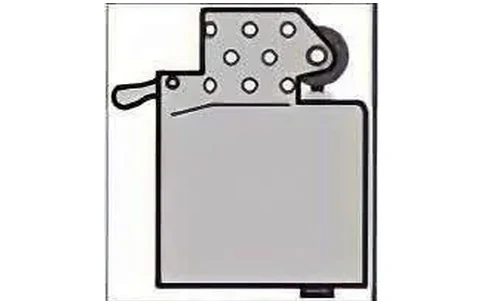
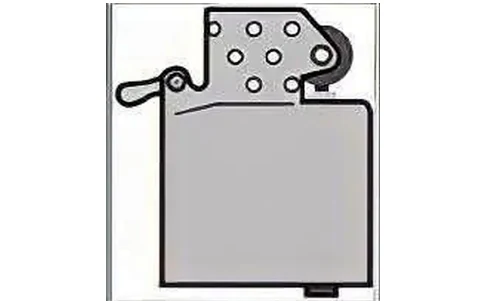
Internal three-barrel hinge 1943–1949 · transitional · Source: Hardi Döhler Three-barrel internal hinges are widely documented from later wartime production into the 1949 changeover.
Typical Bradford-made regular lighter; exceptions and overlapping production runs exist.
Nearly equal five-barrel hinge 1949–1956 · transitional · Source: Hardi Döhler Five-barrel hinges with relatively even barrel widths appear from late 1949 onward.
Typical Bradford-made regular lighter; exceptions and overlapping production runs exist.
Five-barrel hinge with unequal widths 1956–2005 · broad · Source: Hardi Döhler Later five-barrel hinges generally have an uneven barrel-width pattern. This broad clue cannot determine a precise year.
Typical Bradford-made regular lighter; exceptions and overlapping production runs exist.
Later narrower five-barrel hinge 2005–2026 · transitional · Source: Hardi Döhler A narrower overall hinge dimension appears in later regular production; use measurements only as supporting evidence.
Typical Bradford-made regular lighter; exceptions and overlapping production runs exist.
Patent and bottom-stamp wording PAT. PENDING case marking 1933–1936 · transitional · Source: Hardi Döhler Early case bottoms commonly carry patent-pending wording before the first granted patent number.
Typical Bradford-made regular lighter; exceptions and overlapping production runs exist.
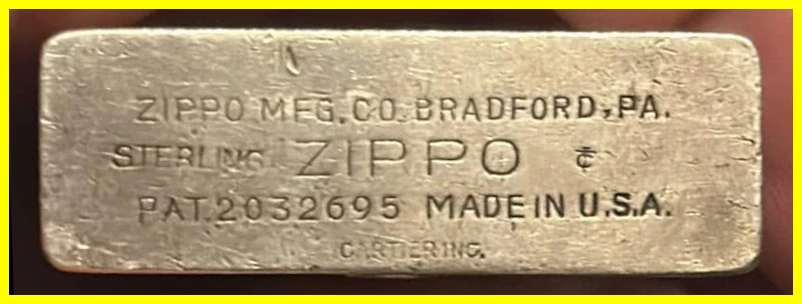
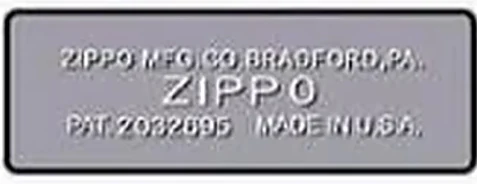
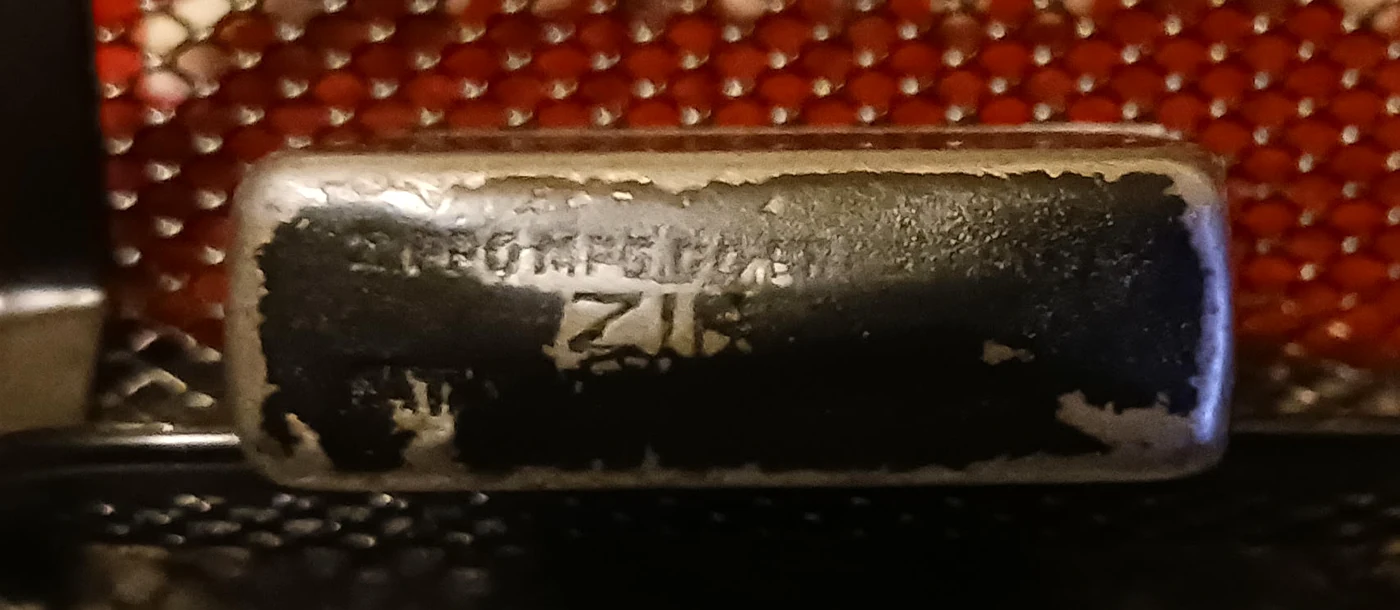
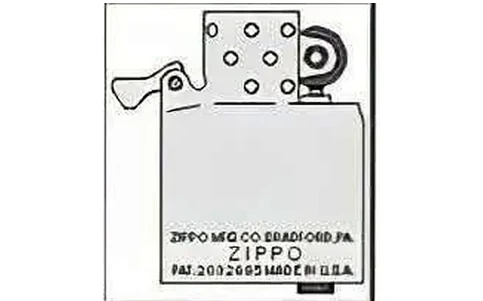
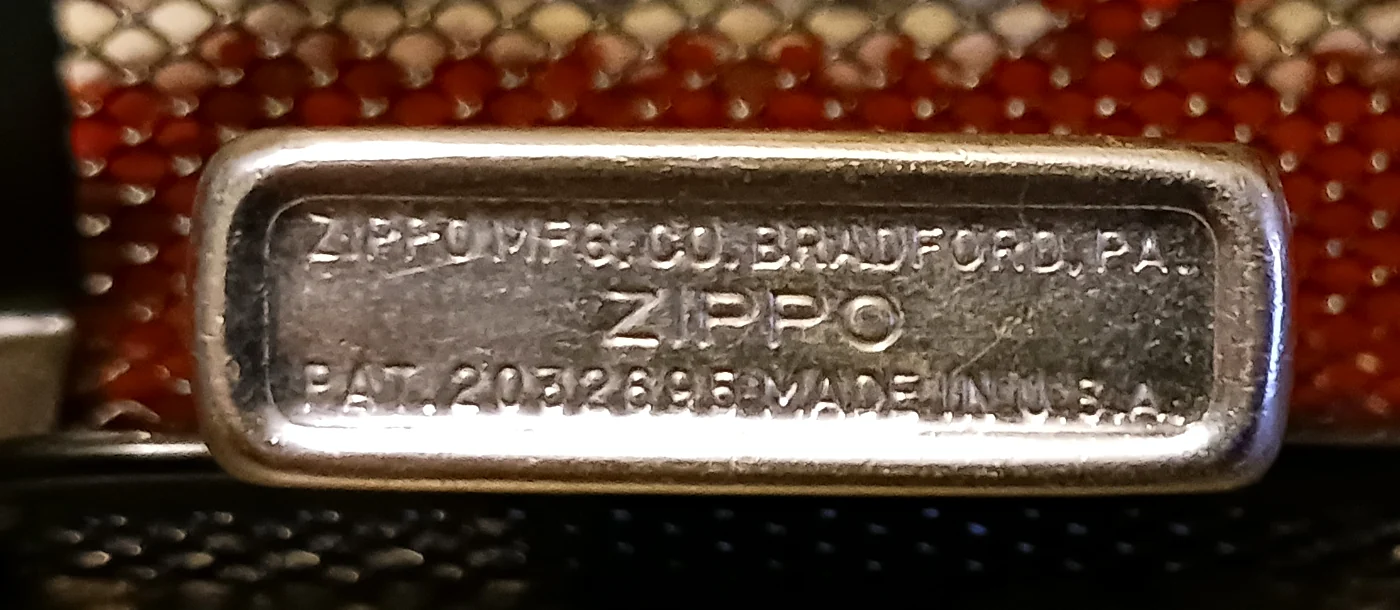
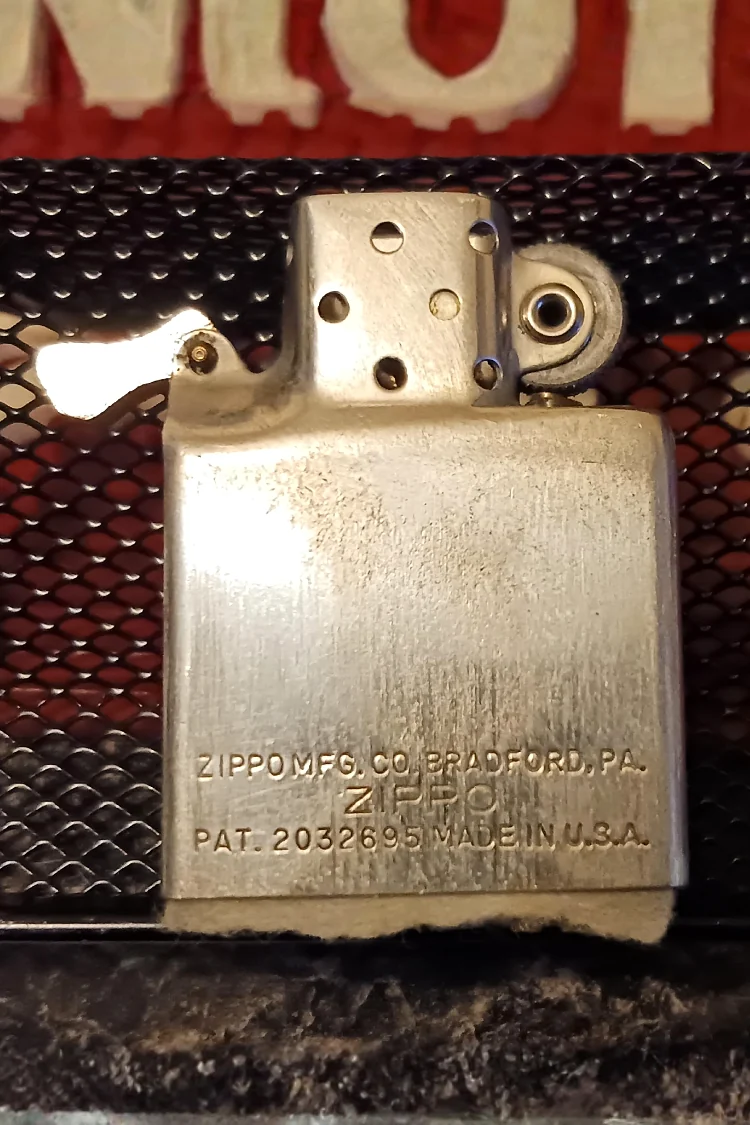
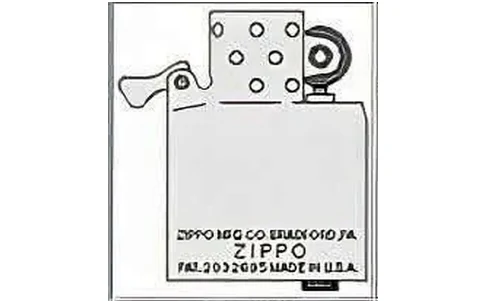
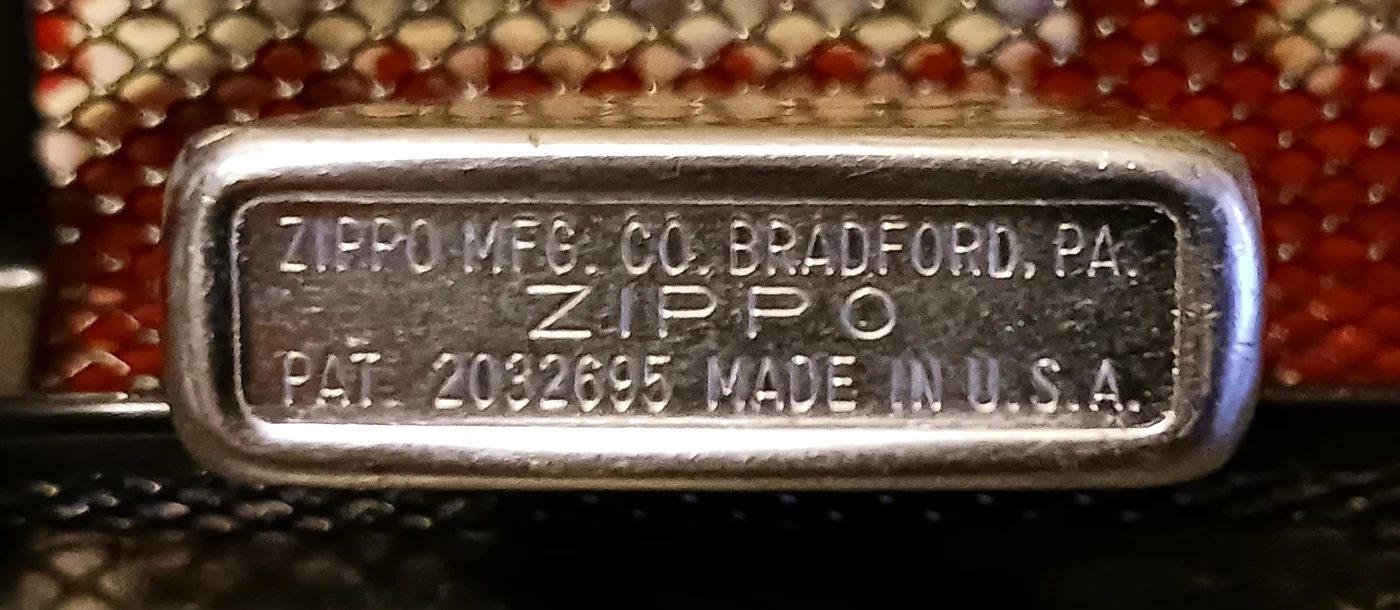
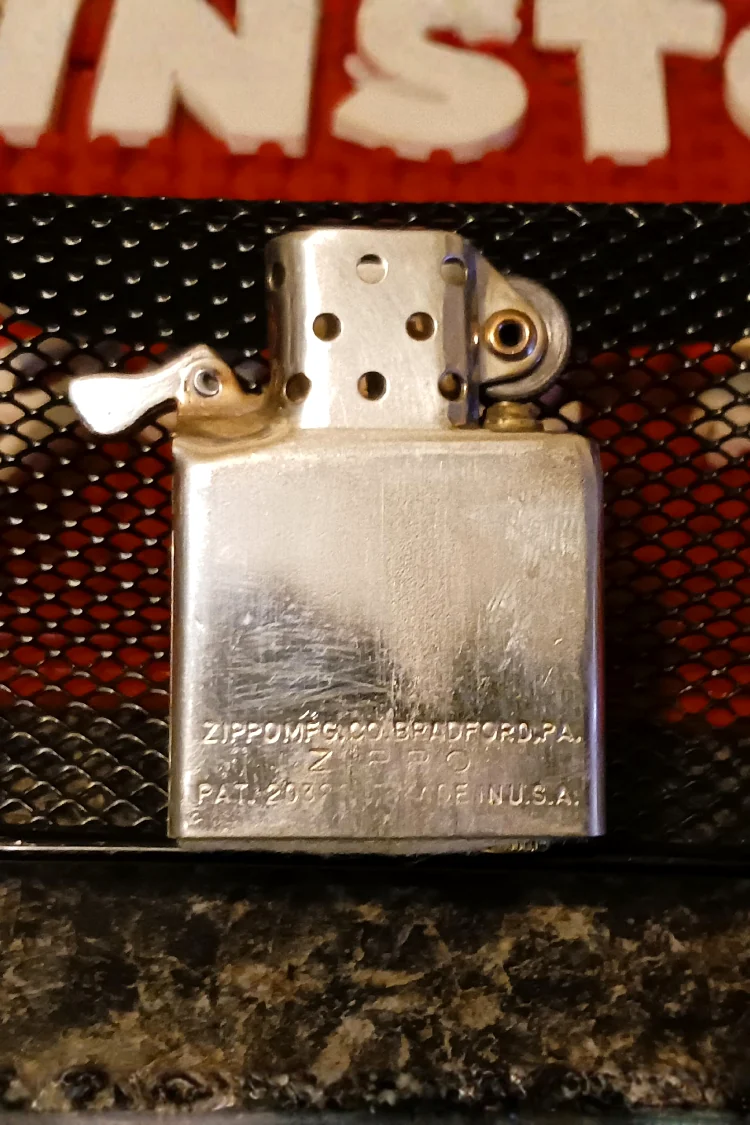
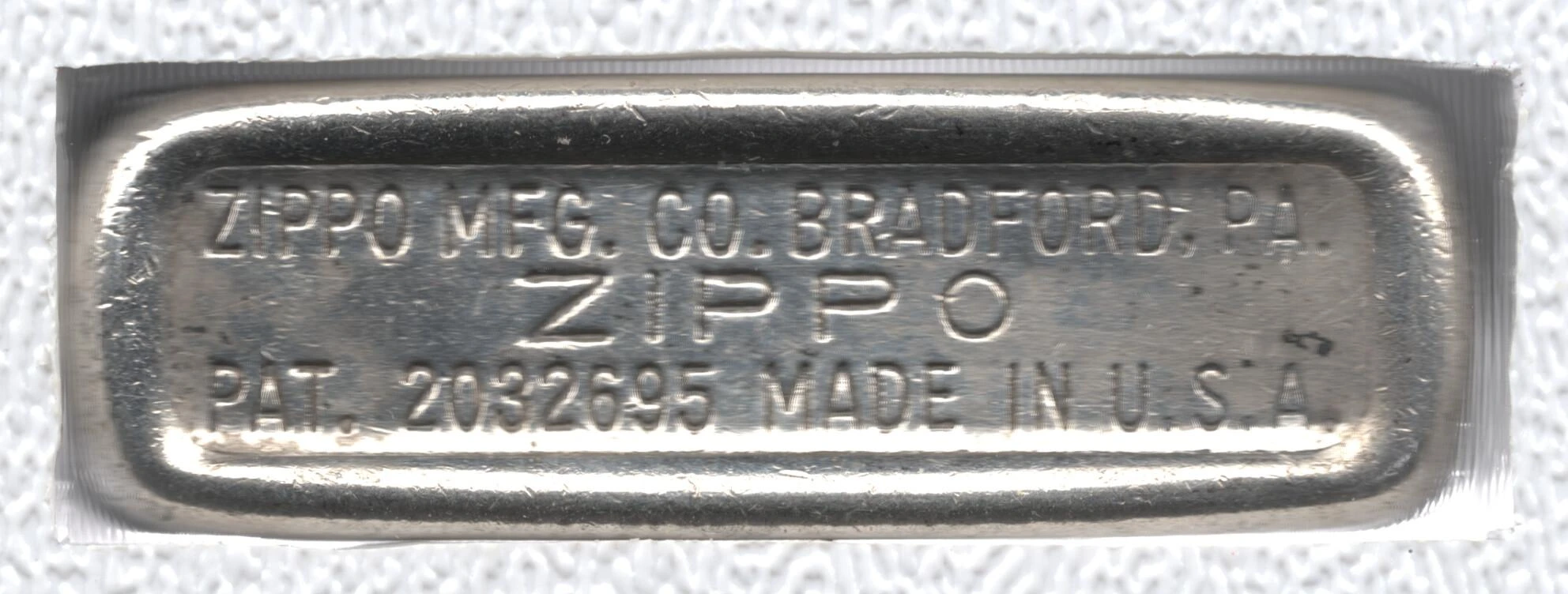
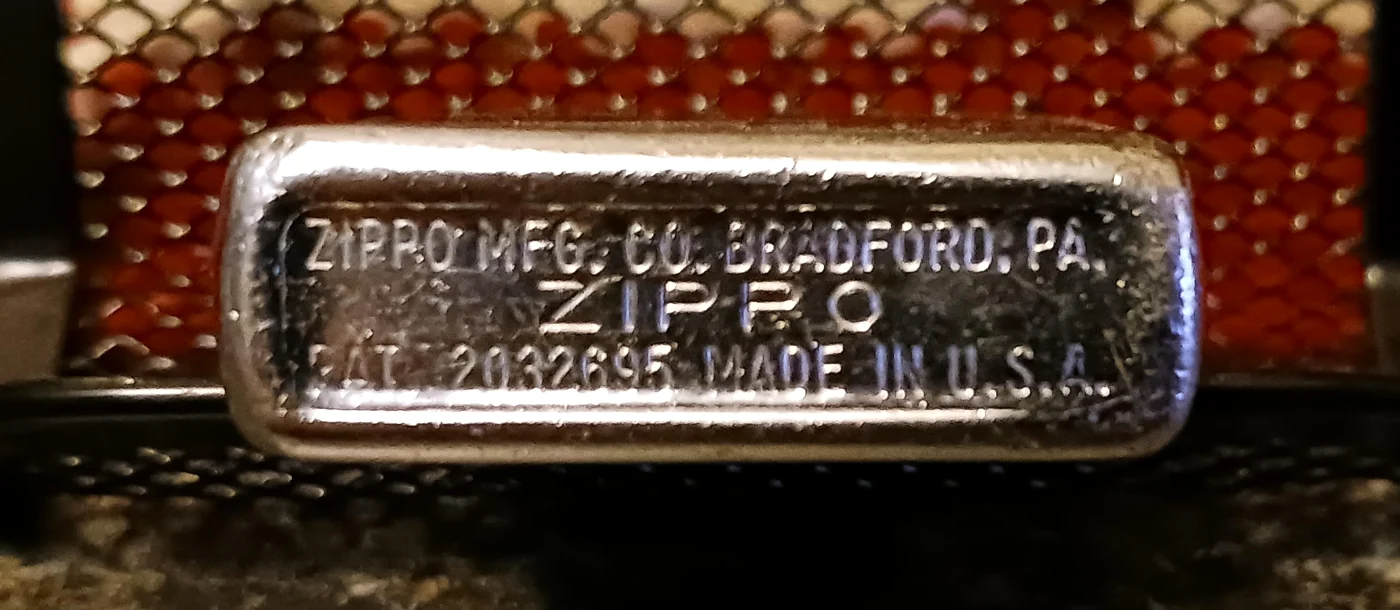
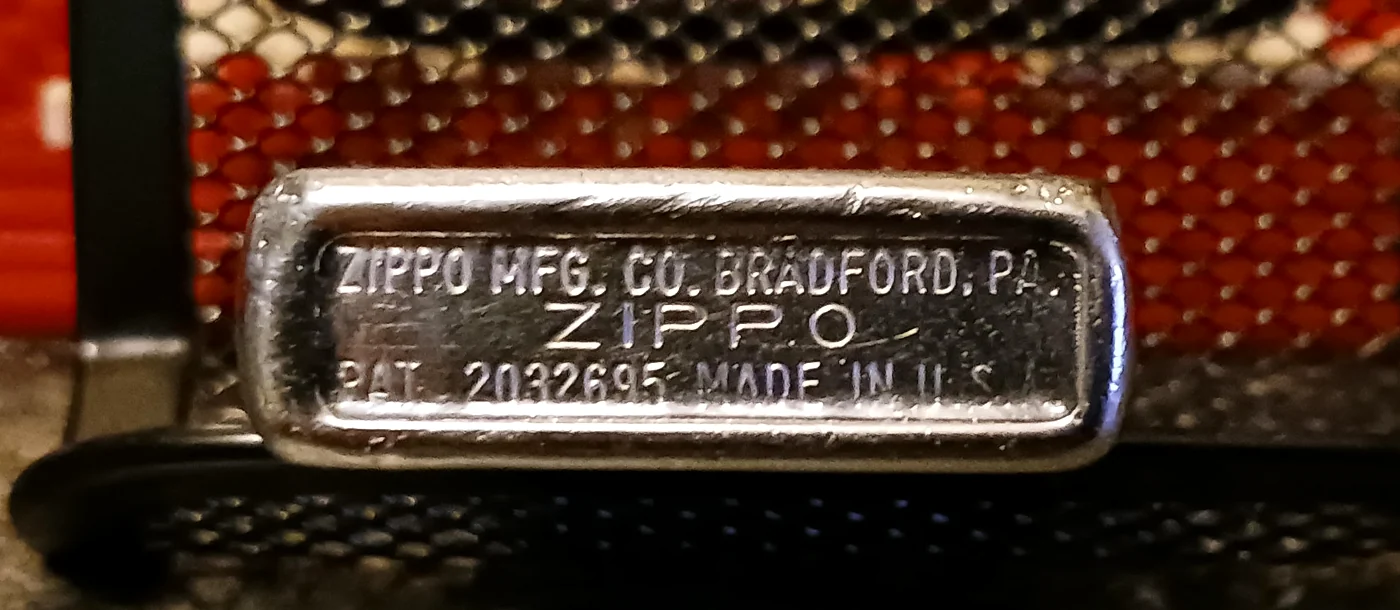
PAT. 2032695 case marking 1936–1953 · transitional · Source: Hardi Döhler PAT. 2032695 is associated with many late-1930s through early-1950s bottom stamps, with layout variations.
Typical Bradford-made regular lighter; exceptions and overlapping production runs exist.
PAT. 2517191 with patent-pending wording 1953–1956 · transitional · Source: Hardi Döhler Collectors document combinations of the second patent number and patent-pending text during the mid-1950s.
Patent number issued in 1950; the appearance of particular stamp layouts may be later.
PAT. 2517191 with dating marks 1957–1967 · approximate · Source: Hardi Döhler The second patent number is frequently found on period bottom stamps alongside date marks; placement varies.
Typical Bradford-made regular lighter; exceptions and overlapping production runs exist.
Patent-number removal 1967–1968 · transitional · Source: Hardi Döhler Patent numbers disappear from standard US regular-case bottom stamps around the late-1967 transition.
Typical Bradford-made regular lighter; exceptions and overlapping production runs exist.
Insert materials Early brass tubular insert 1933–1941 · approximate · Source: Hardi Döhler Early inserts are documented with tubular brass construction; check assembly methods as well as metal.
Typical Bradford-made regular lighter; exceptions and overlapping production runs exist.
Wartime steel insert construction 1941–1946 · transitional · Source: Hardi Döhler Early-1940s inserts increasingly use steel, including plated and seamed wartime constructions.
Typical Bradford-made regular lighter; exceptions and overlapping production runs exist.
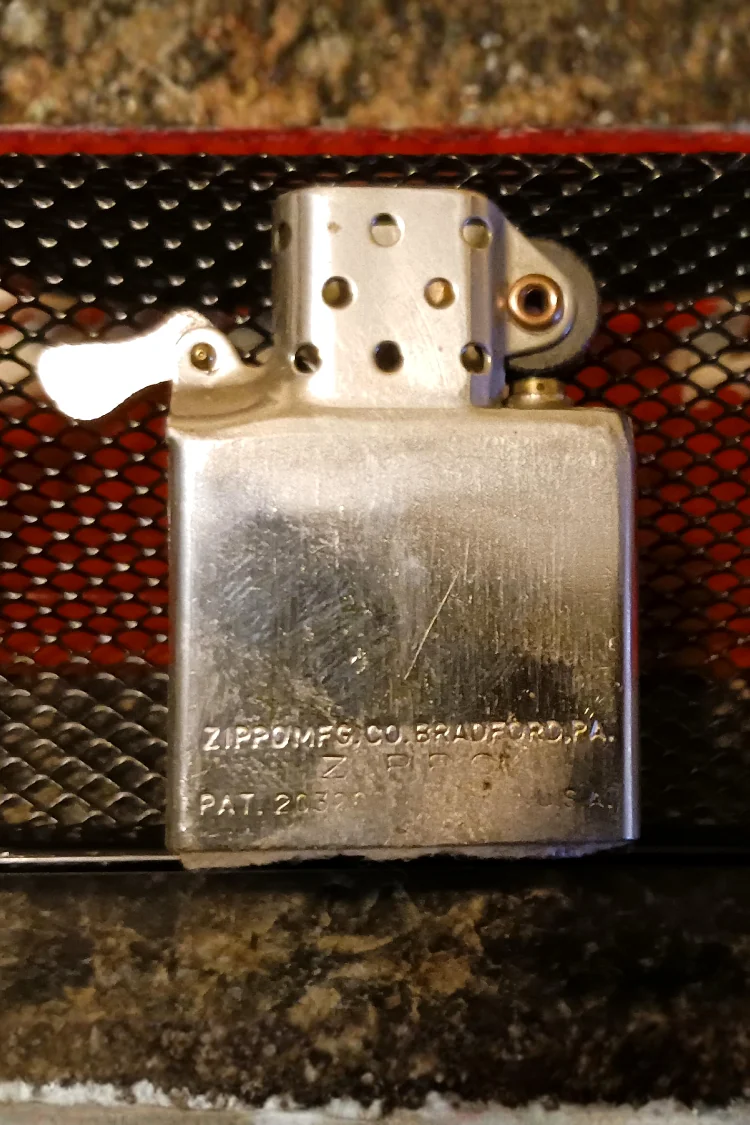
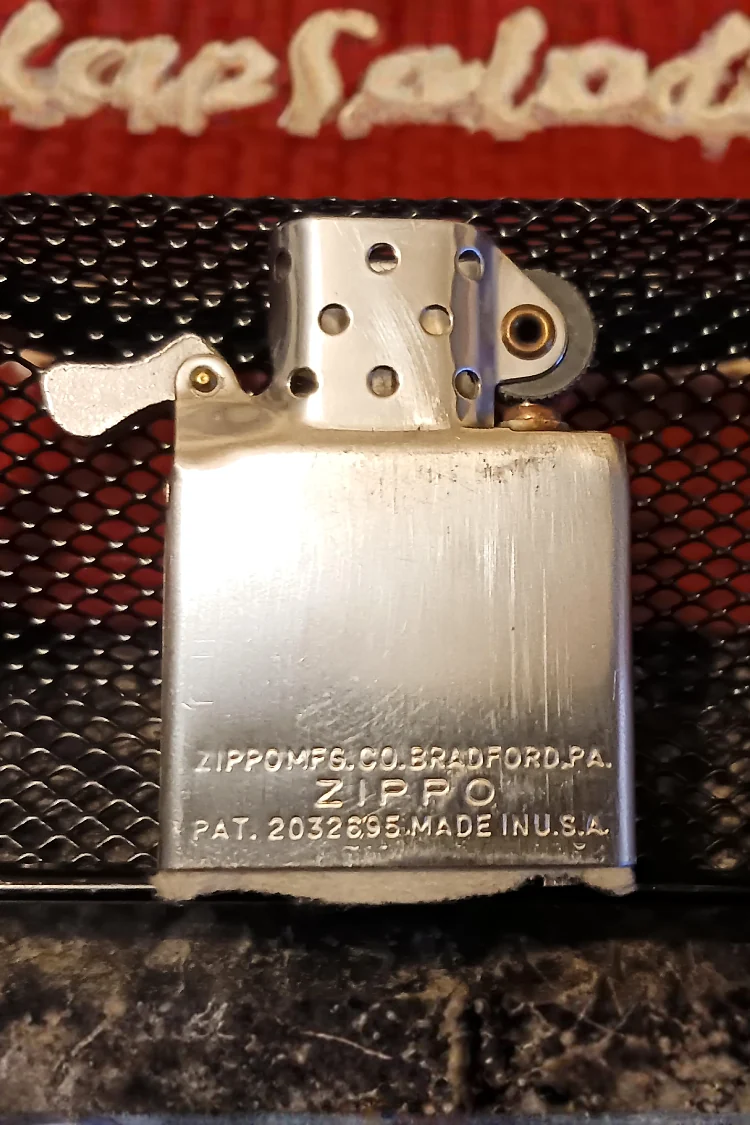
Nickel-silver insert 1946–1951 · transitional · Source: Hardi Döhler Nickel-silver inserts are documented for the immediate postwar years, including Terry Lyons’s 1946–1949 specimens.
Typical Bradford-made regular lighter; exceptions and overlapping production runs exist.
Steel insert return 1951–1954 · transitional · Source: Hardi Döhler Steel inserts reappear in the early 1950s; material and markings must be checked together.
Typical Bradford-made regular lighter; exceptions and overlapping production runs exist.
Chrome-plated sheet-steel insert 1953–2026 · broad · Source: Hardi Döhler Chrome-plated steel construction with a seam is typical of later regular inserts, but special and premium variants differ.
Typical Bradford-made regular lighter; exceptions and overlapping production runs exist.
Insert lettering Minimal or absent early insert text 1933–1942 · approximate · Source: Hardi Döhler Some early insert constructions carry little or no stamped instruction text.
Typical Bradford-made regular lighter; exceptions and overlapping production runs exist.
Patent text on one insert face 1943–1959 · approximate · Source: Hardi Döhler One-sided patent/instruction layout is common in several mid-century insert families; the exact layout evolved.
Typical Bradford-made regular lighter; exceptions and overlapping production runs exist.
Vertical insert lettering 1959–1999 · broad · Source: Hardi Döhler Vertical inscription layouts are common across later twentieth-century inserts; compare typography and code patterns.
Typical Bradford-made regular lighter; exceptions and overlapping production runs exist.
Both insert faces carry text 1976–2026 · broad · Source: Hardi Döhler Two-sided marking layouts appear through later insert generations, alongside evolving date-code placements.
Typical Bradford-made regular lighter; exceptions and overlapping production runs exist.
Chimney construction Early closed 16-hole chimney 1933–1935 · approximate · Source: Hardi Döhler Very early inserts can have sixteen chimney holes and a closed wheel-side wall.
Typical Bradford-made regular lighter; exceptions and overlapping production runs exist.
14-hole chimney 1936–1947 · transitional · Source: Hardi Döhler Fourteen-hole chimneys are characteristic of many prewar and immediate postwar inserts.
Typical Bradford-made regular lighter; exceptions and overlapping production runs exist.
Open-sided 16-hole chimney 1947–2026 · broad · Source: Hardi Döhler Sixteen holes and an open wheel-side chimney wall become typical from the late 1940s onward.
Typical Bradford-made regular lighter; exceptions and overlapping production runs exist.
Cam springs Early coil/piston cam spring 1933–1937 · transitional · Source: Hardi Döhler Earliest insert types use a coil-spring-based cam mechanism; other features distinguish exact variants.
Typical Bradford-made regular lighter; exceptions and overlapping production runs exist.
Humped leaf cam spring 1937–1957 · transitional · Source: Hardi Döhler The arched/humped leaf cam spring is documented across several prewar and postwar decades.
The photographed 1947 Terry Lyons example has a modern replacement spring; never infer 1947 spring design from that component.
Narrow straight cam spring 1958–1970 · transitional · Source: Hardi Döhler The straighter, narrower leaf spring becomes typical in the late 1950s and remains in use into the 1970 transition.
Typical Bradford-made regular lighter; exceptions and overlapping production runs exist.
Wide straight cam spring 1971–1988 · transitional · Source: Hardi Döhler A wider straight leaf spring is typical of much of the 1970s and 1980s.
Typical Bradford-made regular lighter; exceptions and overlapping production runs exist.
Wide cam spring with tapered wheel-side end 1988–2026 · broad · Source: Hardi Döhler Later springs show wheel-side shaping/tapering; date the insert using inscriptions and other details as well.
Typical Bradford-made regular lighter; exceptions and overlapping production runs exist.
Flint-wheel cuts Early straight-cut flint-wheel teeth 1933–1946 · transitional · Source: Hardi Döhler The earliest flint wheels commonly show a predominantly horizontal tooth-cut pattern.
Typical Bradford-made regular lighter; exceptions and overlapping production runs exist.
Cross-cut flint-wheel teeth 1946–2026 · broad · Source: Hardi Döhler Cross-cut flint-wheel pattern becomes typical after the war, with possible overlap and replacements.
Typical Bradford-made regular lighter; exceptions and overlapping production runs exist.
Flint-wheel rivets Hollow flint-wheel rivet 1933–1963 · transitional · Source: Hardi Döhler Hollow flint-wheel rivets appear through the early 1960s; later examples may carry replaced components.
Typical Bradford-made regular lighter; exceptions and overlapping production runs exist.
Hollow-to-solid rivet transition 1961–1963 · transitional · Source: Hardi Döhler Hollow and solid rivets can overlap during the early-1960s transition.
Typical Bradford-made regular lighter; exceptions and overlapping production runs exist.
Solid flint-wheel rivet 1964–2026 · broad · Source: Hardi Döhler Solid rivets become typical from the mid-1960s onward.
Typical Bradford-made regular lighter; exceptions and overlapping production runs exist.
Felt pads Cotton packing without a distinct felt pad 1933–1942 · approximate · Source: Hardi Döhler Some early inserts were packed without a modern-style felt pad; preserved originals are important for confirmation.
Typical Bradford-made regular lighter; exceptions and overlapping production runs exist.
Long round felt/filter 1943–1947 · transitional · Source: Hardi Döhler Some wartime and immediate postwar examples use a long cylindrical felt/filter piece.
Typical Bradford-made regular lighter; exceptions and overlapping production runs exist.
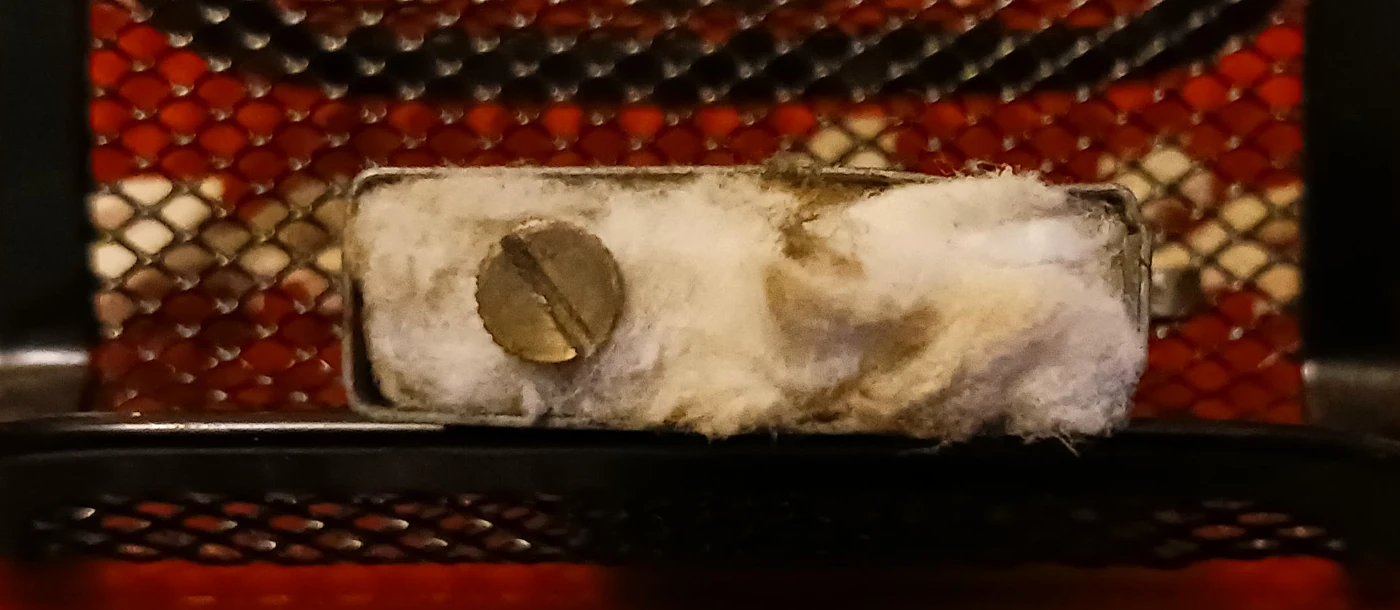
Unprinted light-coloured felt pad 1947–1992 · broad · Source: Hardi Döhler A plain pale rectangular felt pad is documented across many decades; replacement pads limit its dating precision.
Typical Bradford-made regular lighter; exceptions and overlapping production runs exist.
Optional red felt 1959–1968 · exception · Source: Hardi Döhler Red felt is documented as a less-common variant, not as a mandatory feature of every example in this interval.
Typical Bradford-made regular lighter; exceptions and overlapping production runs exist.
Black LIFT TO FILL print without spare-flint hole 1993–2001 · transitional · Source: Hardi Döhler The black printed LIFT TO FILL pad without an extra hole is a useful transitional clue.
Typical Bradford-made regular lighter; exceptions and overlapping production runs exist.
Black LIFT TO FILL print with spare-flint hole 2001–2012 · transitional · Source: Hardi Döhler A felt pad with black LIFT TO FILL text and a spare-flint hole is a common later version.
Typical Bradford-made regular lighter; exceptions and overlapping production runs exist.
Red LIFT TO FILL print with spare-flint hole 2012–2026 · broad · Source: Hardi Döhler Red LIFT TO FILL lettering appears on many newer pads; it is not a standalone year indicator.
Typical Bradford-made regular lighter; exceptions and overlapping production runs exist.
Wicks and packing Pre-copper-wire wick construction 1933–1980 · broad · Source: Hardi Döhler Older wick styles can differ from the later copper-wire-interwoven wick; repairs commonly replace wicks.
Some historic wick materials may contain asbestos; avoid disturbing uncertain old material.
Copper-wire-interwoven wick 1980–2026 · transitional · Source: Hardi Döhler Copper-wire reinforcement becomes common around 1980; wicks are consumables and cannot reliably date a case.
Typical Bradford-made regular lighter; exceptions and overlapping production runs exist.
Period cellulose packing 1939–1946 · exception · Source: Hardi Döhler Some late prewar and wartime examples use flat cellulose or cotton packing materials; survival and originality vary.
Typical Bradford-made regular lighter; exceptions and overlapping production runs exist.
Solid Fuel Cell packing variant 1968–1972 · exception · Source: Hardi Döhler A consolidated cotton packing form was offered in some period inserts; this is a documented variation rather than standard for every lighter.
Typical Bradford-made regular lighter; exceptions and overlapping production runs exist.
Period boundaries are approximate unless independently verified. Prefer direct date codes and multiple original physical features over any single construction trait.
Photographs and related references Case / bottom stamp · 1933
Case / bottom stamp · 1933–1934
Insert reference · 1933–1936
Case / bottom stamp · 1934–1936
Case / bottom stamp · 1936–1940
Case / bottom stamp · 1936–1940
Insert reference · 1936–1942
Case / bottom stamp · 1938–1939
Case / bottom stamp · 1938–1941
Case / bottom stamp · 1940–1941
Case / bottom stamp · 1941–1942
Case / bottom stamp · 1942
Insert reference · 1942
Case / bottom stamp · 1942–1943
Case / bottom stamp · 1943
Case / bottom stamp · 1943–1945
Insert reference · 1943–1945
Case / bottom stamp · 1943–1946
Insert reference · 1943–1946
Case / bottom stamp · 1946
Insert reference · 1946
Case / bottom stamp · 1946–1947
Insert reference · 1946–1947
Insert reference · 1946–1948
Case / bottom stamp · 1947
Insert reference · 1947
Case / bottom stamp · 1947–1948
Insert reference · 1947–1951
Case / bottom stamp · 1948
Insert reference · 1948
Case / bottom stamp · 1948–1949
Insert reference · 1948–1951
Case / bottom stamp · 1949
Insert reference · 1949
Case / bottom stamp · 1949–1950
Insert reference · 1949–1950
Additional matches are available in the full archive .
Try the interactive dating assistant